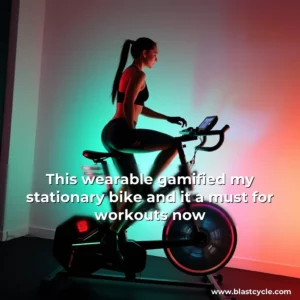
Indoor Cycling: Essential Tools and Resources
The rise of indoor cycling has transformed how people approach fitness, offering an intense workout that can be done anytime, anywhere. Whether you’re training for a race, building endurance, or simply looking for a fun way to stay active, having the right tools and resources is crucial.
This guide explores everything from top-quality stationary bikes to innovative apps that track your progress. By understanding what equipment and programs are available, you’ll be able to create a personalized indoor cycling experience tailored to your goals.
Selecting the Right Stationary Bike
Your choice of stationary bike sets the foundation for every session. From road-focused models to spin bikes designed specifically for high-intensity interval training, each type offers distinct benefits depending on your fitness objectives.
Spin bikes feature heavy flywheels and adjustable resistance levels, making them ideal for simulating outdoor riding conditions. Road trainers typically have lighter frames but still provide smooth rolling resistance through tension-based systems.
- Flywheel weight: Heavier flywheels offer smoother pedaling feel and better momentum retention during sprints
- Bike fit: Adjustable seat height, handlebar position, and pedal setup ensure comfort and prevent injury over long sessions
- Resistance mechanisms: Magnetic vs. friction-based options affect ride quality, maintenance needs, and sound levels
Essential Accessories for Indoor Training
A well-equipped indoor cycling space goes beyond just the bike itself. Thoughtful accessories enhance both performance and safety while ensuring consistency across workouts.
Rubberized treadmill mats protect floors from vibrations and reduce noise transmission. They also help absorb impact when performing high-resistance intervals or standing climbs.
Safety First: Wearing Proper Gear
While many riders prefer minimal gear indoors, wearing a helmet remains essential for protecting against potential falls. Even small slips can lead to serious head injuries when spinning at high RPMs.
Cycling gloves with padded palms reduce hand fatigue during extended rides. They also provide better grip on handlebars, especially when adjusting resistance quickly between intervals.
Creating Your Ideal Workout Environment
An effective indoor cycling routine starts with designing a dedicated training area that promotes focus and motivation. Consider factors like lighting, temperature control, and audio capabilities when setting up your space.
Proper ventilation helps regulate body temperature during intense efforts. Opening windows or using fans ensures fresh air circulation without creating excessive drafts near your workstation.
Leveraging Technology for Better Results
Smart technology has revolutionized how cyclists train indoors by providing real-time feedback, virtual coaching, and integration with wearable devices. These innovations make tracking progress easier than ever before.
Many modern bikes now include built-in sensors that connect wirelessly to apps showing power output, cadence, and heart rate data simultaneously. This information allows precise adjustments to maximize training efficiency.
Data Analytics for Performance Improvement
Analyzing metrics such as wattage production and FTP (Functional Threshold Power) enables cyclists to identify strengths and weaknesses in their regimen. Tracking these numbers over time shows clear progression patterns.
Some advanced platforms use AI algorithms to suggest customized workout plans based on individual physiology and historical performance data. This adaptive learning system keeps training challenging yet achievable.
Choosing Effective Training Programs
With so many online courses and structured routines available, selecting the best program depends largely on personal goals and current fitness level. Beginners may benefit from foundational strength-building cycles while seasoned athletes might seek interval-based conditioning.
Look for programs that incorporate varied intensity zones – low-end aerobic work, moderate tempo efforts, and peak anaerobic bursts. This spectrum ensures balanced muscular development and cardiovascular health improvements.
Community Engagement Through Virtual Classes
Joining live-streamed classes fosters accountability and connection among fellow cyclists despite physical distance limitations. Instructors often provide motivational cues that push participants toward new limits.
Virtual group rides simulate real-world team dynamics where members encourage each other through tough segments. This shared effort creates a sense of camaraderie even within digital spaces.
Optimizing Nutrition for Indoor Workouts
Nutrition plays a critical role in sustaining energy levels during long indoor sessions. Consuming complex carbohydrates before training provides steady fuel sources compared to simple sugars which cause rapid crashes later.
Hydration strategies should match workout duration – shorter sessions require basic water intake whereas longer efforts need electrolyte replenishment to maintain optimal muscle function.
Maintaining Motivation Over Time
Keeping consistent enthusiasm requires variety in routines and regular goal-setting milestones. Trying different music playlists or adjusting scenery elements like wall art can refresh your environment periodically.
Tracking achievements visually through progress charts or mobile apps reinforces commitment. Seeing tangible results motivates continued dedication towards reaching new fitness benchmarks.
Advanced Techniques for Experienced Cyclists
Seasoned riders looking to elevate their game should explore techniques like cadence drills, hill repeats, and VO2 max testing protocols. These methods target specific physiological adaptations for improved performance outcomes.
Incorporating Zwift or similar virtual reality platforms introduces competitive challenges that mimic real-world racing scenarios. This gamified approach maintains engagement while pushing technical skills further.
Common Mistakes to Avoid
Newcomers often overlook fundamental aspects like proper bike positioning which affects not only comfort but also injury risk over time. Taking time to adjust saddle height correctly prevents knee strain during prolonged efforts.
Ignoring warm-up phases leads to poor blood flow distribution initially, increasing chances of cramps or sudden fatigue mid-session. A five-minute easy spin followed by dynamic stretching prepares muscles properly before ramping up intensity.
Preparing for Outdoor Transitions
Those aiming to compete in local races or long-distance events should gradually introduce simulated outdoor conditions into their training regimens. Using rollers or trainer wheels helps develop balance necessary for actual road cycling experiences.
Varying resistance profiles mimics terrain changes encountered outdoors. Incorporating climb-specific intervals builds leg strength required for sustained ascents in real-world settings.
Conclusion
Mastering indoor cycling involves careful consideration of equipment selection, environmental optimization, technological integration, and nutritional awareness. When all components align strategically, they form a powerful platform for achieving fitness aspirations.
By focusing on smart tool choices, staying engaged with virtual communities, and continuously refining training approaches, any cyclist can unlock significant improvements in both performance and overall wellness.

news is a contributor at BlastCycle. We are committed to providing well-researched, accurate, and valuable content to our readers.