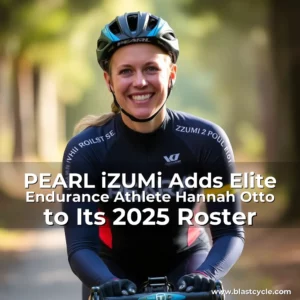
The Science and Strategy Behind Elite Performance Cycling
Cycling at peak performance is an intricate blend of physical conditioning, strategic planning, and technological innovation. For those serious about pushing their limits, understanding what sets elite cyclists apart from casual riders can transform your approach to training and competition.
This guide delves into the science-backed strategies that underpin professional-level cycling. From biomechanical efficiency to psychological preparation, we’ll explore every element that contributes to optimal performance on the road.
Foundations of Physical Conditioning
Athletic excellence begins with building a solid physiological foundation through structured endurance training. Professional cyclists typically dedicate 18-20 hours weekly to base-building rides that develop cardiovascular capacity and muscular stamina.
Maintaining consistent training volume while incorporating progressive overload ensures continuous adaptation without overtraining. This balance allows athletes to build sustainable aerobic capacity that forms the core of competitive success.
- Endurance development: Long, steady-state efforts enhance mitochondrial density and capillary networks within muscle fibers.
- Skill acquisition: Technical proficiency in gear shifting, cornering, and pacing improves race-day execution across varying conditions.
- Injury prevention: Incorporating mobility work and strength training reduces susceptibility to common cycling-related injuries.
Coaches often emphasize periodization principles, systematically varying intensity and volume to optimize performance gains while minimizing fatigue accumulation. This structured approach enables cyclists to reach peak form precisely when competitions demand it most.
Optimal heart rate zones during training sessions help maintain the right workload for targeted adaptations. Heart rate variability monitoring provides additional insight into recovery status, ensuring adequate rest periods between intense workouts.
Nutritional Optimization for Sustained Energy
Evidence-based nutrition practices are crucial for sustaining high-performance levels throughout long training blocks. Cyclists require precise macronutrient distribution tailored to their specific energy expenditure needs.
Daily caloric intake calculations consider factors like riding duration, metabolic rate, and body composition goals. Carbohydrate loading before multi-hour events becomes essential for maintaining glycogen stores during prolonged exertion.
Hydration management extends beyond simple water consumption. Electrolyte balance plays a critical role in preventing cramps and optimizing neuromuscular function during intense effort.
Premium supplement use requires careful consideration based on individual requirements rather than general recommendations. Creatine monohydrate has shown particular benefit for explosive power outputs in shorter races.
Timing of nutrient intake around workouts maximizes absorption and utilization. Pre-workout meals containing complex carbohydrates provide sustained energy release, while post-exercise protein synthesis window optimization enhances muscle repair processes.
For endurance specialists focusing on multi-day tours, carbohydrate availability becomes even more critical. Strategic fueling during rides maintains stable blood glucose levels and prevents premature fatigue onset.
Customized nutrition plans account for athlete-specific tolerances and preferences. Some individuals may respond better to certain types of carbohydrates or protein sources than others.
Technological Advancements in Cycling Equipment
Modern technology offers significant advantages in enhancing both comfort and performance metrics for serious cyclists. Aerodynamic improvements alone can save minutes over long-distance courses through reduced air resistance.
Bike fit customization remains fundamental to maximizing pedaling efficiency and injury prevention. Even minor adjustments in saddle height or handlebar position can significantly impact overall power output.
Advanced materials like carbon fiber composites contribute to lighter bike weights without compromising structural integrity. These innovations allow athletes to achieve higher speeds with less energy expenditure.
Electronic groupsets enable more efficient gear changes, reducing mechanical losses associated with traditional derailleur systems. This precision helps maintain optimal cadence during climbs and sprints.
Data analytics tools integrated into modern bicycles provide real-time feedback on various performance indicators. Power meters track wattage output accurately, enabling precise training load regulation.
Smartwatches equipped with GPS tracking capabilities assist in route analysis and pace consistency checks during interval training sessions. They also monitor vital signs relevant to performance monitoring.
Climbing-specific equipment such as lightweight wheels and tire pressure optimization become particularly beneficial when tackling mountainous terrain segments.
Tailoring equipment choices according to event type ensures appropriate gear selection for different racing scenarios. Sprinters might prioritize wheel stiffness, whereas time trialists focus on aerodynamics above all else.
Psychological Preparation and Mental Resilience
Mental toughness separates top-tier performers from those who struggle under pressure. Developing cognitive resilience builds confidence necessary for handling high-stakes situations during competition.
Visionary goal setting creates clear direction while providing motivation throughout extended training cycles. Short-term objectives help measure progress towards larger ambitions effectively.
Focused breathing techniques serve as effective stress management tools that promote mental clarity during demanding moments in races. Controlled respiration regulates nervous system activity positively.
Visualization exercises reinforce neural pathways related to successful performances. Athletes mentally rehearse race scenarios repeatedly to prepare physically and psychologically.
Establishing pre-race rituals fosters routine and predictability which reduce anxiety levels prior to competition starts. Consistent routines create sense of control amid uncertainty.
Positive self-talk patterns counteract negative thought loops that emerge when facing challenges on course. Constructive inner dialogue maintains concentration amidst distractions.
Developing mindfulness skills enhances present-moment awareness, allowing competitors to stay fully engaged in current tasks rather than worrying about past mistakes or future outcomes.
Team dynamics play a supporting role by creating supportive environments where athletes feel encouraged to push boundaries safely. Strong team culture promotes collective growth through shared experiences.
Strategic Race Planning and Execution
Effective race strategy involves meticulous planning that considers environmental variables and competitor profiles. Weather forecasts influence decisions regarding clothing choices and pacing approaches.
Analyzing opponents’ strengths and weaknesses informs tactical positioning during key stages. Understanding each rider’s preferred racing style reveals potential opportunities or threats.
Breakaway attempts require calculated timing based on group size and remaining distance to finish line. Successful escapes depend heavily on having sufficient energy reserves for final sprint finishes.
Time trial tactics differ substantially from criterium racing strategies due to distinct nature of these disciplines. Maintaining constant speed against the clock demands different skill set compared to navigating tight turns in short circuits.
Mountain stage planning incorporates knowledge about climb gradients and elevation gains required along ascent paths. Proper pacing strategies prevent early exhaustion while conserving enough energy for final pushes up steep inclines.
Road race navigation skills involve anticipating moves from other riders and reacting appropriately to changing race dynamics. Good situational awareness keeps cyclists safe and competitive simultaneously.
Weather adaptability becomes crucial factor affecting performance consistency. Being prepared for unexpected rain showers or sudden temperature drops makes difference between strong showing and poor results.
Post-race debriefs offer invaluable learning experiences that refine future approaches to similar situations encountered previously. Analyzing what worked well versus areas needing improvement guides ongoing development process.
The Role of Recovery in Performance Maintenance
Proper recovery protocols are essential components of any high-performance cycling program. Without adequate restoration periods, the risk of chronic fatigue syndrome increases dramatically.
Active recovery methods like low-intensity spinning sessions facilitate circulation improvements without stressing muscles excessively. These activities aid lactic acid clearance and tissue repair processes naturally.
Cold therapy applications including ice baths have been widely adopted among professionals seeking rapid inflammation reduction after hard workouts. Their effectiveness varies depending upon individual response mechanisms though.
Sleep quality constitutes foundational aspect of recovery since cellular regeneration primarily occurs during deep sleep phases. Prioritizing good sleep hygiene supports overall health maintenance critically.
Nutrition also plays pivotal role during recovery windows following intense exertions. Consuming balanced meals rich in proteins and micronutrients accelerates healing responses efficiently.
Stretching routines performed regularly contribute toward maintaining flexibility and range-of-motion characteristics necessary for optimal pedal stroke mechanics.
Mental relaxation techniques complement physical restoration efforts by helping manage stress hormones responsible for delayed recovery timelines otherwise.
Periodic assessments using fitness testing procedures determine readiness levels for subsequent training intensities accurately. These evaluations inform necessary modifications made to existing programs accordingly.
Training Methodologies for Peak Performance
Structured training methodologies remain central pillars supporting athletic progression trajectories. Periodization frameworks divide annual calendars into focused developmental phases aligned with competition schedules.
Base phase development establishes foundational aerobic capacities essential for all aspects of competitive cycling. Endurance-focused efforts during this period lay groundwork for later specialized workloads successfully.
Build phase transitions gradually introduce increasing intensity levels targeting specific performance enhancements sought by athletes individually. This period bridges earlier endurance focus with upcoming specificity demands effectively.
Peak phase operations occur shortly before major events aiming to maximize fresh condition states available specifically for planned contests then. Intense efforts here necessitate careful management avoiding burnout risks potentially.
Tapering strategies employed leading into competitions ensure maintained fitness while reducing accumulated fatigue loads properly. Gradual reductions in workout volumes preserve sharpness needed for optimal race performances finally.
Interval training formats incorporate varied durations and intensities designed to stimulate diverse physiological adaptations beneficially. These sessions target specific energy system developments purposefully.
Threshold training focuses squarely on lactate threshold values determining upper limit of sustainable efforts comfortably. Improving these markers translates directly into enhanced performance capabilities visibly.
Tempo training develops sub-threshold capabilities improving endurance qualities useful across broader ranges of exertional demands practically.
Monitoring Progress Through Data Analytics
Advances in wearable technology now allow cyclists to collect vast amounts of performance data easily accessible anytime convenient. Smart devices capture numerous metrics revealing insights about training efficacy objectively.
Heart rate variability measurements indicate autonomic nervous system statuses reflecting recovery status accurately. Interpreting these readings assists coaches in adjusting workloads appropriately protecting against overtraining dangers effectively.
Power curve analyses display how force application relates to cadence variations across entire range possible. Identifying plateaus or improvements helps fine-tune training prescriptions precisely.
GPS tracking capabilities reveal geographical information assisting route analysis and pace consistency verification crucially. Mapping out elevation profiles aids in developing climb-specific strategies ahead of time profitably.
Oxygen uptake measurements estimate VO2 max levels indicating aerobic capacity potential comprehensively. Regular assessments help detect changes warranting adjustments to current training regimens prudently.
Recovery indices derived from various sensors assess bodily readiness states indicating when best times occur for scheduling intense workouts strategically beneficially.
Data visualization tools transform raw numbers into digestible formats facilitating easier interpretation of trends emerging consistently. Graphical representations highlight areas requiring attention urgently.
Cloud storage solutions maintain historical records permitting longitudinal comparisons identifying patterns evolving over time meaningfully. These archives support informed decision making continuously.
Environmental Adaptation and Course-Specific Training
Successful cycling performance depends greatly on adapting effectively to environmental conditions prevailing during competitions scheduled. Different climates impose distinct physiological challenges requiring specific preparatory measures.
Altitude acclimatization presents unique hurdles requiring gradual exposure strategies to avoid acute altitude sickness symptoms disturbingly. Hypoxic training methods simulate high-elevation environments preparing bodies progressively.
Heat adaptation protocols involve controlled exposure increasing heat tolerance thresholds safely. Acclimation processes take several weeks completing full physiological adjustments thoroughly.
Cold weather preparedness includes layering strategies managing thermoregulation efficiently. Insulated garments protect extremities maintaining dexterity necessary for precise controls crucially.
Wind resistance mitigation becomes primary concern when competing in open-air venues featuring unpredictable gusts disrupting stability negatively. Aerodynamic positioning assumes greater importance under such circumstances inevitably.
Humidity considerations affect sweat evaporation rates influencing cooling efficiencies significantly. Appropriate hydration strategies compensate for increased fluid loss occurrences frequently.
Course reconnaissance missions undertaken prior to major events provide critical intelligence regarding layout specifics shaping race strategies decisively. Familiarity gained through scouting enhances navigational accuracy appreciably.
Local terrain familiarization facilitates smoother transitions between different surfaces encountered commonly. Knowing exact conditions beforehand minimizes surprises impacting performance adversely unexpectedly.
Community Engagement and Continuous Learning
Engaging actively within cycling communities fosters growth opportunities through shared knowledge exchanges beneficially. Participation in local clubs exposes members to diverse perspectives expanding horizons considerably.
Workshops and seminars organized regularly update participants about latest research findings and technological advancements happening rapidly. Staying current maintains competitiveness advantageously.
Online forums serve as platforms for discussing technical issues and sharing personal experiences mutually. Collaborative problem-solving strengthens communal bonds constructively.
Competitive series participation cultivates experience through repeated exposure to standardized race formats promoting familiarity advantageously. Series structures often include prize incentives motivating continued engagement persistently.
Volunteering roles within organizations deepen understanding about behind-the-scenes operations enrichingly. Involvement generates appreciation for broader sport ecosystem holistically.
Attending international events broadens cultural awareness while observing world-class performances inspiring aspirationally. Exposure to global standards raises expectations ambitiously.
Peer mentoring relationships established within groups accelerate learning curves through direct guidance personally. Experienced riders impart wisdom passed down traditionally beneficially.
Lifelong education pursuits maintain relevance amidst ever-evolving landscape constantly. Continuous pursuit of new knowledge sustains passion enduringly.
Conclusion
Performance cycling encompasses multifaceted dimensions requiring coordinated efforts across various domains simultaneously. Mastery over each component discussed contributes cumulatively toward achieving exceptional results consistently.
Adopting holistic approach integrating scientific principles with practical implementations empowers cyclists reaching new heights continually. Embracing continuous improvement mindset transforms limitations into stepping stones permanently.

news is a contributor at BlastCycle. We are committed to providing well-researched, accurate, and valuable content to our readers.