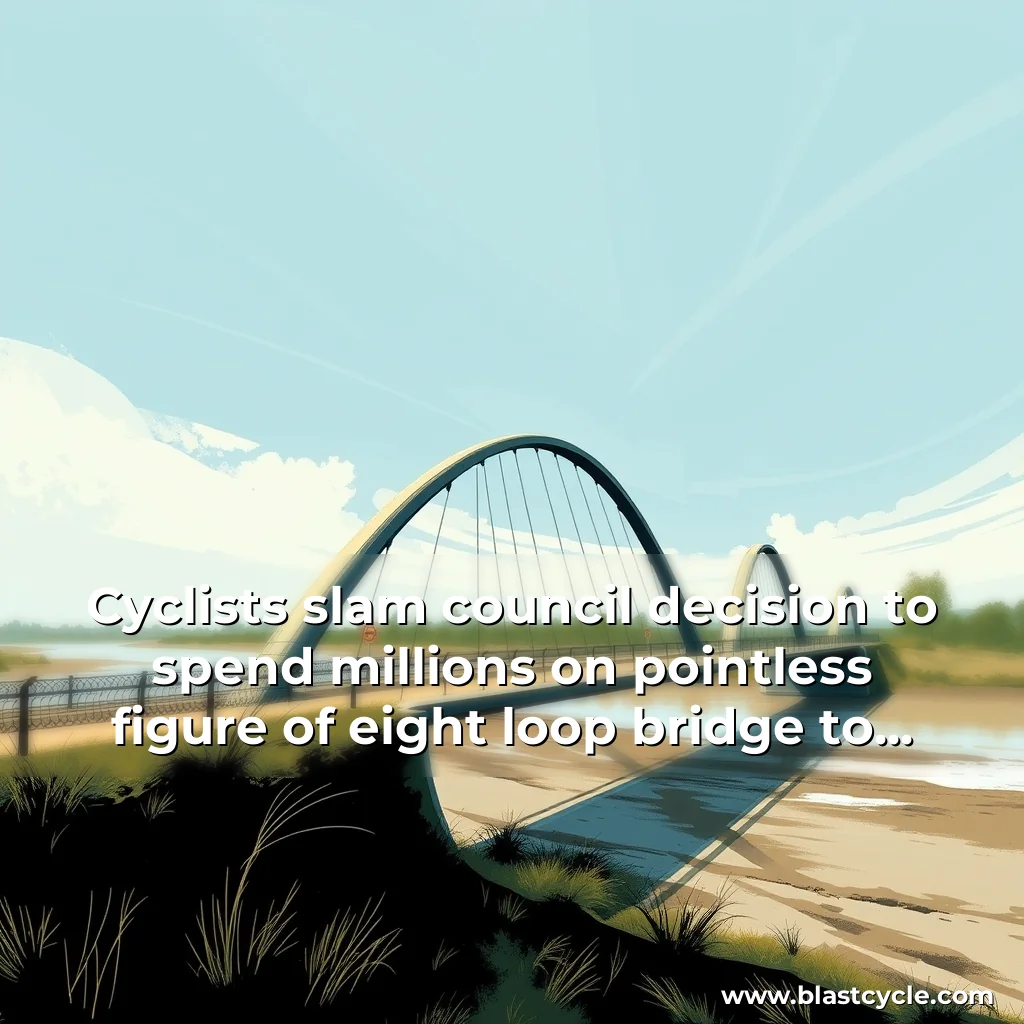
The bridge was built in 1978 and was the first bridge in the UK to be designed with a specific purpose of encouraging physical activity.
The Birth of Kepax Bridge
In the 1970s, Worcestershire County Council recognized the need to promote physical activity among its residents. The council decided to design a bridge that would encourage people to walk and cycle in the city. The bridge was designed in the shape of an eight loop, which was intended to be a unique and eye-catching feature.
Design and Construction
The Kepax Bridge was built in 1978 and was constructed using a combination of materials, including concrete and steel. The bridge’s design was influenced by the work of architect James Stirling, who was known for his innovative and futuristic designs.
The bridge’s design was flawed, and it was not suitable for pedestrians and cyclists.
The Severn Way Path: A Case Study in Urban Planning
The Severn Way path, a 200-mile route that spans across the West Midlands, was designed to provide a safe and accessible route for walkers and cyclists. However, the path’s design has been marred by a series of flaws, including the construction of a bridge that is not suitable for pedestrians and cyclists.
The Bridge: A Design Flaw
The bridge, located in Worcester, was intended to make it easier for people to navigate the city on foot or by bike. However, the design of the bridge proved to be a major issue.
The reason is that the lack of a bike path or designated cycle lanes makes it difficult for them to reach the local park and playground. Daisy stated that she has tried cycling with her son but it’s been a challenge due to the lack of bike infrastructure. She added that her son is eager to ride his bike to the park, but she is hesitant to let him ride alone on the road, citing safety concerns. This has resulted in them turning back and exploring alternative routes, which can be longer and less enjoyable for them. Daisy expressed her frustration with the lack of bike infrastructure in the area, saying that it’s not just about her and her son, but also about other families who face similar challenges. She emphasized the need for more bike lanes and designated cycle paths to make cycling safer and more accessible for everyone. : The local council has taken steps to address the concerns of residents, including the introduction of new bike lanes and improved cycle infrastructure. The council has also worked with local businesses to create a safe and welcoming environment for cyclists. The introduction of new bike lanes has provided cyclists with a more direct and efficient route to popular destinations, reducing congestion and improving air quality. The improved cycle infrastructure has also made cycling a more enjoyable experience, with designated bike paths and quieter roads. The council has also implemented measures to promote cycling, such as bike-sharing schemes and cycling events. The introduction of bike-sharing schemes has made cycling more accessible and affordable, allowing residents to try out cycling without committing to a full bike purchase. Cycling events have also helped to raise awareness about the benefits of cycling and promote a sense of community among cyclists.
The Environment Agency is responsible for protecting the environment and enforcing environmental regulations. The Severn Rivers Trust is a charity that works to protect and improve the rivers in the Severn catchment area. Lewing suggested that the council should work together with these organizations to address the issue of pollution in the river.
The River Severn Pollution Crisis
The River Severn, a vital waterway in the UK, has been facing a severe pollution crisis. The situation has sparked concerns among local residents, environmentalists, and politicians alike. In a recent statement, Green Party councillor Karen Lewing expressed her disappointment and frustration with the lack of action taken by the council to address the issue.
The Council’s Response
Lewing called the situation “a bit pointless” and urged the council to collaborate with the Environment Agency and the Severn Rivers Trust. Key points: + The Environment Agency is responsible for protecting the environment and enforcing environmental regulations. + The council should work together with these organizations to address the issue of pollution in the river.
The Importance of Collaboration
Collaboration between the council, the Environment Agency, and the Severn Rivers Trust is crucial in addressing the pollution crisis in the River Severn.
The Rise of Cycling in Worcester
In recent years, Worcester has seen a significant increase in cycling enthusiasts. The city’s scenic routes, picturesque countryside, and relatively low traffic congestion have made it an attractive destination for cyclists. However, this growth has also led to concerns about safety and infrastructure.
The PSPO Debate: A City Council Decision
In March, Worcester City Council made a significant decision regarding the extension of a Public Space Protection Order (PSPO) in the city. The council chose not to extend the order, which had been in place since 2018. This decision has sparked debate and discussion among residents, business owners, and local authorities.
Understanding PSPOs
Before diving into the specifics of the Worcester decision, it’s essential to understand what a PSPO is. A PSPO is a legal order that aims to protect public spaces from anti-social behavior, such as littering, vandalism, and harassment. These orders can be implemented in areas with high footfall, like city centers, parks, and tourist hotspots. Key features of PSPOs: + Can be implemented for a specific period (usually 3-5 years) + Can be renewed or extended + Can be enforced by police officers, councilors, or other authorized personnel + Can include specific rules and regulations for the area
The Worcester PSPO
The Worcester PSPO, which was initially introduced in 2018, aimed to tackle issues like littering, street drinking, and harassment in the city center. The order was enforced by police officers and councilors, who would issue fines to individuals breaching the rules. Notable aspects of the Worcester PSPO: + Focused on specific areas, such as the city center and surrounding streets + Included rules on littering, street drinking, and harassment + Had a significant impact on local businesses and residents
The Council’s Decision
In March, Worcester City Council decided not to extend the PSPO.