Electric Bikes for Small Spaces
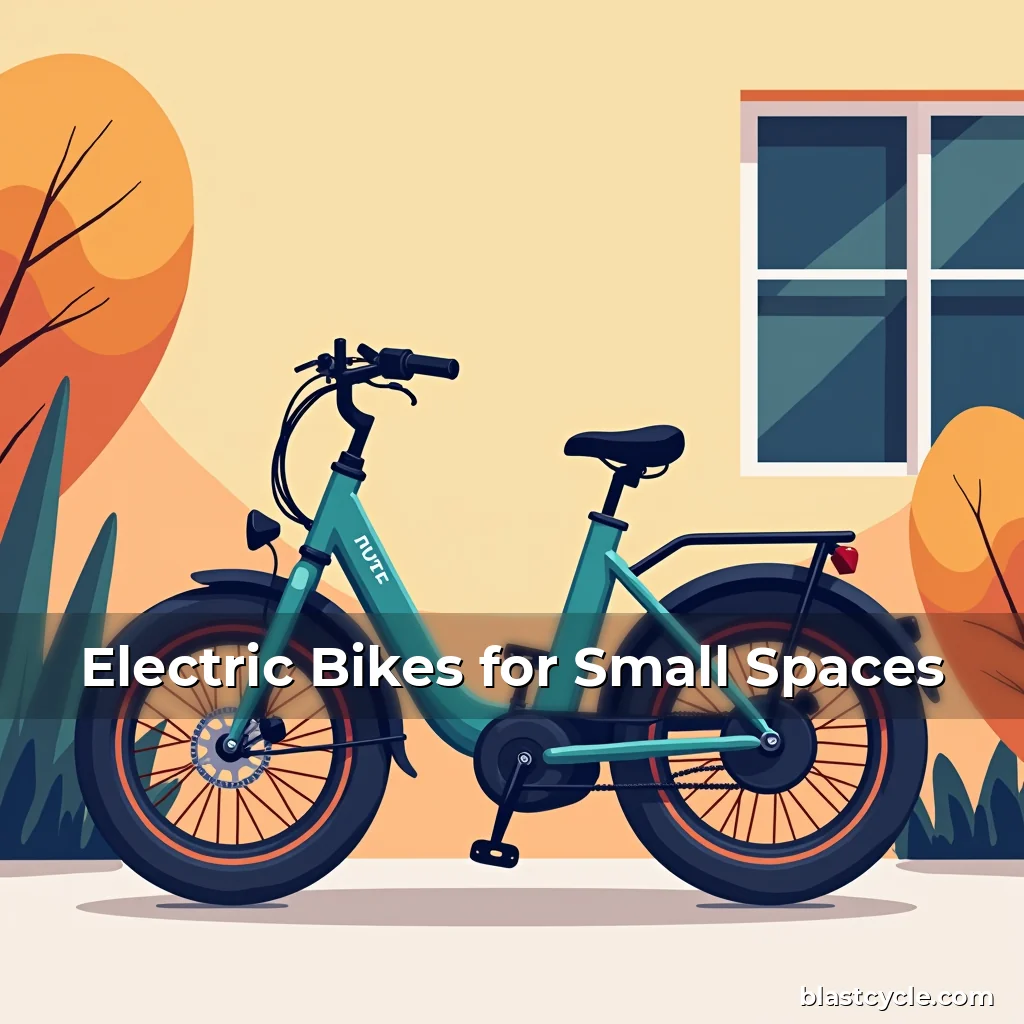
The Perfect Fit for Urban Living
Electric bikes are designed with urban environments in mind, offering a seamless blend of functionality and style that appeals to both casual riders and serious commuters. Unlike traditional bicycles, e-bikes feature built-in motors that assist pedaling, reducing physical exertion and allowing riders to tackle hills, traffic, and longer distances with ease. This makes them especially appealing to individuals who may have physical limitations or live in areas with challenging topography.
The adaptability of e-bikes extends beyond their motorized capabilities. Many models are engineered with foldable frames, allowing them to be stored in tiny corners of homes or carried onto public transit. For instance, folding e-bikes can fit easily into a car trunk or under a desk, ensuring they don’t take up precious real estate. Additionally, their lightweight construction ensures effortless maneuverability in tight spots, whether navigating narrow alleyways or avoiding obstacles during peak hours.
- Foldable designs: Ideal for apartment residents or travelers needing portable transport solutions.
- Compact storage: E-bikes often require less space than regular bikes due to streamlined components and minimalist builds.
- No driveway required: Parking an e-bike is simple, sometimes requiring nothing more than a hook or wall mount.
Beyond their size advantages, e-bikes also integrate seamlessly with existing infrastructure. Most models include integrated lights, fenders, and kickstands, which reduce clutter and enhance usability in confined settings. Some manufacturers even offer customizable accessories, such as cargo carriers or phone mounts, enabling users to tailor their e-bikes to suit specific lifestyles.
A growing number of brands now specialize in ultra-compact e-bikes suited exclusively for city living. For example, companies like Bird and Lime have introduced lightweight electric scooters and mini-motorcycles that occupy far less space than standard bicycles. While these alternatives differ slightly in function, they share the same core philosophy: maximizing utility while minimizing footprint.
Sustainability Meets Space Efficiency
One of the most compelling reasons to choose an e-bike over other modes of transport is its environmental impact. By replacing short car trips with zero-emission rides, e-bikers significantly reduce their carbon footprint while simultaneously freeing up scarce urban space typically occupied by parked vehicles. In densely populated cities, every square foot counts, and e-bikes help reclaim that area for pedestrians, cyclists, and green spaces.
The sustainability factor doesn’t stop at reducing fossil fuel consumption. Modern e-bikes utilize lithium-ion batteries, which are increasingly being manufactured with recycled materials and energy-efficient processes. Furthermore, advancements in regenerative braking technology allow some models to recover kinetic energy during stops, further improving overall efficiency.
Eco-Friendly Manufacturing Practices
Several leading e-bike producers now emphasize eco-conscious manufacturing techniques. Companies like Trek and Specialized partner with suppliers who adhere to strict environmental standards, ensuring that everything from frame materials to packaging minimizes waste. Some brands even offset their carbon emissions through reforestation projects, reinforcing their commitment to sustainability.
Battery production remains a critical concern, yet industry leaders are addressing this issue head-on. Innovations such as modular battery packs enable easier repairs and upgrades, extending product lifespans and reducing electronic waste. Moreover, initiatives aimed at repurposing old e-bike batteries for home energy storage are gaining traction, providing new uses for what was once considered discarded technology.
Consumers seeking environmentally responsible choices can look for certifications like Energy Star or Fair Trade labels when purchasing e-bikes. These indicators ensure that products meet rigorous ecological benchmarks, empowering buyers to make informed decisions aligned with their values.
Power and Performance in Compact Packages
Despite their smaller stature, e-bikes deliver impressive power outputs thanks to advanced engineering and technological integration. Motor sizes vary depending on intended usage—city commuters benefit from low-torque models optimized for smooth acceleration, while off-road enthusiasts opt for higher-wattage motors capable of conquering steep inclines.
Most consumer-grade e-bikes fall within the 250W–500W power range, sufficient for handling everyday challenges encountered in urban environments. However, specialty variants known as “speed pedelecs” push boundaries further, reaching speeds exceeding 45 km/h (28 mph) with appropriately rated batteries and larger wheels.
- Torque sensors: Enhance hill-climbing ability by adjusting motor strength according to rider input.
- Rear-wheel drive systems: Improve stability and control during sudden maneuvers typical in busy streets.
- Battery placement: Strategically positioned near the center of gravity reduces weight distribution issues common in heavier vehicles.
To maximize performance gains within restricted dimensions, designers employ aerodynamic shaping principles similar to those found in racing motorcycles. Narrower handlebars paired with teardrop-shaped fairings minimize wind resistance, allowing faster speeds without increasing bulkiness.
Additionally, innovative tire technologies play a role in enhancing both comfort and durability. Pneumatic tires equipped with reinforced sidewalls withstand rough surfaces better than conventional road tires, while tubeless setups eliminate puncture risks altogether—an essential feature considering frequent exposure to debris-laden paths characteristic of metropolitan landscapes.
Enhancing Safety in Crowded Areas
Safety is paramount when operating any vehicle, particularly in dense urban zones filled with pedestrians, cyclists, and motor vehicles. Fortunately, numerous safety-enhancing features are available specifically tailored for compact e-bike platforms.
LED lighting systems mounted on front forks and rear decks guarantee visibility regardless of weather conditions. High-intensity flood lamps illuminate dark pathways ahead, whereas blinking LED strips along side panels increase conspicuity against backgrounds blending colors similarly to surrounding structures.
Dedicated braking mechanisms address another key aspect of secure riding experiences. Dual-piston calipers gripping disc rotors provide superior stopping power compared to rim brakes commonly seen on traditional bicycles. Some premium models incorporate anti-lock braking technology inspired by automotive engineering standards, preventing skidding situations caused by abrupt deceleration efforts.
- Integrated mirrors: Allow riders to check blind spots safely before changing lanes or turning directions.
- Helmet compatibility: Manufacturers design helmet mounting brackets compatible with popular full-face styles worn frequently in aggressive biking communities.
- Vibration dampening: Shock-absorbing suspensions absorb bumps originating from uneven pavement textures prevalent in older parts of town.
Maintaining situational awareness becomes easier through smartphone connectivity enabled via Bluetooth modules embedded discreetly within control panels. Navigation apps displaying nearby hazards like open manholes or blocked crosswalks contribute immensely towards accident prevention strategies.
Certain jurisdictions mandate specific safety equipment requirements governing legal operation status. It’s advisable checking local regulations regarding mandatory gear items before embarking upon extended journeys involving multiple destinations.
Cost Considerations for Space-Conscious Buyers
While upfront costs associated with acquiring an e-bike exceed those of regular bicycles, long-term financial implications often justify initial investments. Compared to automobiles requiring gasoline refills, insurance premiums, registration fees, and maintenance expenses annually averaging thousands dollars globally, e-bikes represent substantially cheaper alternatives for daily commutes covering moderate distances measured under twenty miles per day.
Purchase prices fluctuate considerably depending largely upon component quality levels selected during assembly stages. Entry-level models priced below $1000 usually suffice adequately for basic recreational purposes featuring single-speed transmissions coupled with lower wattage motors unsuitable for prolonged uphill climbing tasks.
Mid-range units costing approximately $1500-$3000 boast multi-gear systems combined with enhanced battery capacities ranging upwards thirty mile ranges facilitating round-trip excursions without necessitating recharging interruptions midday activities.
- Used markets: Second-hand listings on eBay or Facebook Marketplace occasionally yield exceptional deals warranting close scrutiny for wear inspection reports prior finalizing transactions.
- Leasing options: Subscription-based services let customers access latest model iterations periodically upgrading fleets seasonally without permanent commitments binding future purchases.
- Government subsidies: Certain regions offer tax credits or direct rebates incentivizing adoption rates among prospective adopters aiming reduce dependency reliance upon personal motorized transport.
Ongoing operational expenditures remain relatively minimal owing primarily because no fuel source required besides electricity supplied through household outlets plugged overnight charging periods. Maintenance schedules generally follow predictable intervals dictated mainly by mileage thresholds rather unpredictable breakdown scenarios experienced traditionally mechanically complex apparatuses.
Community Engagement Through Shared Mobility Platforms
The rise of shared mobility networks offers exciting prospects for expanding social circles centered around e-biking culture. Dockless bike-sharing schemes utilizing geolocation tagging technologies permit instant location pinpointing whenever nearest accessible unit resides situated within walking proximity relative current position coordinates determined via mobile application interfaces.
This communal approach fosters stronger neighborhood cohesion by encouraging spontaneous interactions among strangers united solely through mutual appreciation toward pedal assisted travel experiences. Group rides organized locally promote collective fitness goals achieved collaboratively rather individually pursued objectives isolated from broader societal participation frameworks.
Fostering Connections Within City Limits
Meetup groups formed digitally facilitate coordination amongst enthusiasts residing disparate locations yet sharing identical passions revolving cycling advocacy movements. Regular gatherings arranged monthly maintain consistent attendance figures despite occasional logistical hurdles posed by variable climate patterns impacting outdoor event feasibility assessments beforehand scheduling procedures.
Charity events leveraging e-bike tours generate dual benefits accruing simultaneously both fundraising outcomes directed towards worthy causes alongside raising profile awareness concerning environmental stewardship responsibilities incumbent upon citizens inhabiting urban centers striving preserve breathable atmospheres conducive supporting healthy ecosystems.
School partnerships implementing educational curricula incorporating hands-on learning exercises teach students fundamentals governing mechanical operations while instilling lifelong habits prioritizing active lifestyles beneficial maintaining overall well-being metrics measured regularly health screenings conducted routinely school clinics.
Corporate wellness programs adopting company-sponsored e-bike initiatives recognize inherent productivity improvements derived employees partaking routine exercise routines proven scientifically correlating increased mental acuity levels manifesting greater job satisfaction indices reported consistently quarterly performance evaluations.
The Future of Micro-Mobility Solutions
As technology advances rapidly across multiple sectors simultaneously, micro-mobility solutions including electric bikes poised revolutionize contemporary transport paradigms fundamentally reshaping perceptions regarding mobility accessibility parameters previously constrained geographical limitations imposed land availability scarcity issues.
Emerging trends indicate continued innovation trajectories focusing augmenting functionalities already established foundations laid groundwork preceding breakthrough milestones attained recent years. Artificial intelligence integration promises self-adjusting throttle responses calibrated dynamically according individual biomechanical characteristics detected via biometric sensors embedded ergonomically positioned hand grips transmitting data wirelessly cloud servers analyzing vast datasets generated continuous user interaction sessions recorded automatically background processes occurring independently without manual intervention required.
Autonomous navigation algorithms capable detecting potential collision threats preemptively modifying routes accordingly avoid hazardous encounters arising suddenly unexpected obstructions materializing unforeseen circumstances demanding immediate evasive actions executed autonomously without conscious decision-making involvement necessary human operators.
- Smart route optimization: Real-time adjustments based on traffic patterns, weather changes, and pedestrian activity levels.
- Self-balancing technology: Ensures stability during sharp turns or sudden stops, ideal for inexperienced riders.
- AI-powered diagnostics: Predictive maintenance alerts prevent breakdowns by identifying wear-and-tear patterns early.
Furthermore, developments in renewable energy storage technologies promise extended operational durations achievable without relying heavily upon conventional grid powered electricity supplies. Solar panel attachments affixed strategically placed atop canopy structures generate supplemental charge reserves replenishing depleted states throughout daylight hours mitigating dependence solely mains electrical circuits.
With ongoing research investment pouring millions annually into developing next-generation prototypes undergoing extensive field trials assessing scalability viability deploying mass-produced versions commercially available soon. Cities worldwide eagerly anticipating implementation phases integrating these cutting-edge devices transforming streetscapes permanently altering landscape identities defined formerly automobile dominated infrastructures now evolving dynamic mixed-use environments harmoniously coexisting diverse transportation modalities.
Conclusion
Electric bikes present a transformative solution for anyone grappling with the challenges of urban living and limited space. From their sleek, foldable designs to their eco-friendly propulsion systems, e-bikes redefine what it means to move efficiently in tightly packed environments. Whether you’re an apartment dweller, a student, or someone passionate about sustainable living, there’s never been a better time to embrace this versatile mode of transport.
If you’re ready to experience the freedom of electric cycling firsthand, start by researching local retailers specializing in compact e-bike models suitable for your lifestyle. Test ride several options to find the perfect match for your needs, and consider joining community groups to connect with fellow enthusiasts. With the right choice, an e-bike isn’t just a tool—it’s a gateway to smarter, greener, and more connected living in our ever-evolving cities.