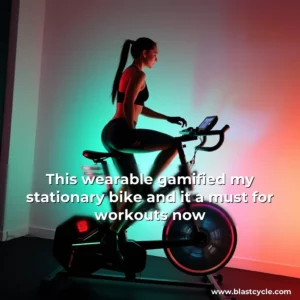
Indoor Cycling Best Practices 2025
Indoor cycling has transformed from a niche fitness activity into a global phenomenon, uniting thousands through shared sweat sessions and competitive spirit. As we enter 2025, advancements in technology, equipment, and training methodologies have redefined what’s possible within four walls. This guide will explore the latest best practices to help you maximize your indoor cycling experience.
The evolution of smart trainers and virtual reality integration has made home workouts more immersive than ever before. Whether you’re a casual rider or a serious athlete preparing for an event, understanding these modern approaches can elevate your performance significantly.
Evolving Technology in Indoor Cycling
Smart bikes equipped with power meters and connectivity features now offer real-time data tracking that was once limited to professional cyclists. These devices provide precise measurements of resistance, cadence, and output, allowing riders to fine-tune their efforts scientifically.
The integration of ANT+ and Bluetooth Smart protocols ensures seamless communication between your bike and phone apps. This compatibility enables dynamic workout adjustments based on heart rate variability or personal goals set within popular training platforms.
Virtual reality headsets paired with stationary bikes create an unparalleled sense of presence during rides. From scenic mountain trails to high-intensity circuit tracks, VR transforms mundane routines into adventurous experiences without leaving your living room.
- Data-driven Training: Modern systems track metrics such as watts, heart rate zones, and pedal stroke efficiency, enabling targeted improvements in endurance and strength.
- AI Coaching Integration: Some advanced models use artificial intelligence to analyze riding patterns and suggest personalized modifications for better form and technique.
Riders should prioritize investing in quality smart trainers capable of accurately measuring resistance changes. A reliable connection is crucial for maintaining consistent data flow when syncing with training apps.
Cycling-specific software applications now allow users to simulate road conditions by adjusting incline gradients dynamically. This feature mimics real-world terrain challenges while providing immediate feedback on performance.
Optimizing Your Home Setup for Maximum Performance
A well-designed indoor cycling space not only enhances comfort but also improves safety and effectiveness. The right setup minimizes injury risk while maximizing calorie burn and muscle engagement.
Bike positioning plays a critical role in preventing overuse injuries. Adjust seat height so that legs are almost fully extended at the bottom of each pedal stroke, ensuring optimal biomechanical alignment.
Footwear selection deserves special attention – clip-in shoes with stiff soles transfer energy more efficiently than standard athletic sneakers. Proper cleat placement further refines pedaling mechanics.
Ergonomic Considerations
Proper posture is essential for long rides; maintain a slight forward lean with shoulders relaxed yet engaged. An adjustable handlebar position allows customization based on individual flexibility levels.
Supportive seating solutions prevent lower back strain during extended sessions. Look for chairs with lumbar support that complement your bike’s geometry rather than conflicting with it.
Lighting becomes particularly important during evening workouts. Bright overhead lights eliminate shadows that might obscure computer displays showing vital performance metrics.
Temperature control shouldn’t be overlooked either. Maintaining moderate temperatures prevents overheating while avoiding excessive cold which could lead to stiffness or reduced blood circulation.
Nutrition Strategies for Indoor Cyclists
Fuel choices dramatically impact recovery time and overall stamina during intense indoor cycling sessions. Strategic pre-workout nutrition prepares the body for exertion while post-exercise replenishment accelerates repair processes.
Consuming complex carbohydrates 2-3 hours prior to cycling provides sustained energy release throughout the session. Pairing these with small amounts of protein helps stabilize blood sugar levels effectively.
Hydration remains crucial even indoors where evaporative cooling may go unnoticed. Aim to drink water regularly throughout your ride rather than waiting until dehydration symptoms appear.
Post-training meals should contain both carbohydrates and proteins within 30 minutes after finishing to optimize muscle glycogen restoration and tissue rebuilding.
Supplemental aids like electrolyte tablets or sports drinks become beneficial during prolonged sessions exceeding an hour. They replace minerals lost through sweat and enhance fluid retention capabilities.
Mental Engagement Techniques for Sustained Motivation
Maintaining mental freshness is key to pushing past plateaus and achieving new milestones in indoor cycling. Creative strategies transform monotonous routines into enjoyable challenges.
Variety in music playlists keeps workouts interesting by altering mood states associated with different genres. Upbeat rhythms increase perceived exertion thresholds naturally without extra effort.
Competitive elements introduced through leaderboard systems or timed intervals add gamification aspects that make progress feel tangible and rewarding.
Setting micro-goals related to specific wattage targets or hill climbs creates measurable achievements that build confidence incrementally over time.
Regularly changing scenery via streaming services offering live events or virtual races injects novelty into otherwise repetitive environments, keeping motivation consistently high.
Injury Prevention Through Correct Form and Technique
Prioritizing correct form reduces wear-and-tear on joints while enhancing cycling efficiency. Small adjustments in positioning yield significant benefits over time.
Knee alignment must remain neutral throughout the entire pedal cycle – avoid letting knees cave inward or extend beyond straightened positions that stress ligaments unnecessarily.
Ankle mobility exercises strengthen tendons responsible for smooth pedal transitions. Incorporate daily stretches focusing on dorsiflexion ranges specifically relevant to cycling motions.
Troubleshooting Common Issues
Soreness localized around hip flexors often indicates improper saddle height settings. Lowering the seat slightly usually alleviates discomfort caused by hyperextension during downward strokes.
If experiencing numbness in hands despite using ergonomic grips, consider adjusting bar reach distances to reduce forearm tension that compromises grip stability.
Persistent shoulder fatigue suggests incorrect torso angle relative to the pedals. Experimenting with handlebar heights helps find the sweet spot balancing aerodynamics with muscular relaxation.
Lower back pain typically results from insufficient core strength supporting spinal curvature under load. Strengthening abdominal muscles through planks or leg raises mitigates pressure points developing during long rides.
Progress Tracking Systems and Their Benefits
Effective progress monitoring reveals strengths and weaknesses previously hidden beneath subjective perceptions of improvement. Digital tools quantify gains objectively across various dimensions.
Heart rate variability analysis measures autonomic nervous system responses indicating whether recovery periods adequately prepare bodies for subsequent workouts.
Power output curves chart how force application varies throughout each pedal revolution, highlighting areas needing technical refinement.
Comparing weekly averages against historical records identifies trends suggesting either plateaued development or steady advancement towards fitness objectives.
Some advanced platforms integrate sleep pattern assessments alongside physical activity logs, creating holistic health profiles guiding balanced training schedules.
Community Building Within Indoor Cycling Spaces
Fostering connections among fellow cyclists enriches the experience beyond mere exercise, transforming solitary activities into social engagements filled with mutual encouragement.
Local meetups organized through online forums facilitate face-to-face interactions sharing knowledge about gear upgrades or race preparation techniques.
Online communities thrive through shared challenges posted publicly, fostering friendly competition that motivates participants toward common benchmarks.
Digital leaderboards rank members based on accumulated miles ridden or calories burned, cultivating healthy rivalry without promoting unhealthy behaviors commonly seen elsewhere.
Hosting regular themed rides encourages participation regardless of skill level since everyone contributes uniquely depending upon personal capacities.
Preparing for Outdoor Events Using Indoor Cycles
Strategic use of indoor cycling can serve as effective training ground for outdoor competitions requiring specific adaptations not easily replicated outside.
Hill climb simulations with variable resistance settings condition leg muscles accustomed to sudden elevation changes encountered on actual courses.
Interval training replicates race-day pacing requirements by alternating high-intensity bursts followed by active recovery phases mirroring those found in criterium-style racing formats.
Endurance builds progressively through longer baseline rides gradually increasing duration until reaching target times necessary for qualification standards applicable to chosen events.
Monitoring physiological responses through wearable tech ensures safe progression rates tailored individually rather than following generalized guidelines available publicly online.
Conclusion
By embracing technological innovations, refining personal setups, adopting intelligent nutritional habits, and prioritizing mental well-being, cyclists can unlock unprecedented potential within their indoor spaces.
Consistently applying these best practices not only enhances current performances but also lays solid foundations for future growth whether pursuing recreational enjoyment or elite-level competition status alike.

news is a contributor at BlastCycle. We are committed to providing well-researched, accurate, and valuable content to our readers.