Electric Bikes for Beginners: Getting Started
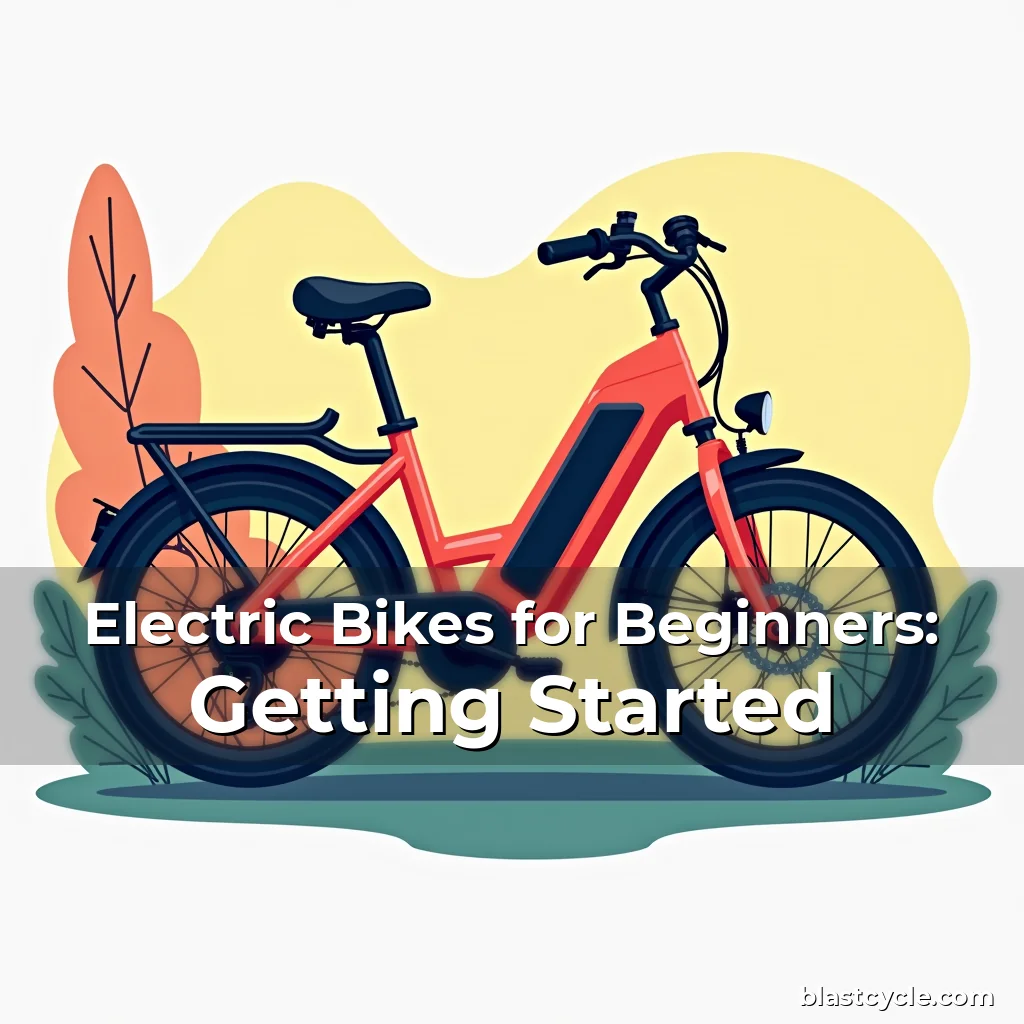
Electric Bikes for Beginners: A New Era of Personal Mobility
The rise of electric bikes has revolutionized urban commuting and recreational cycling alike. These motor-assisted bicycles offer an accessible way to travel longer distances while reducing physical exertion.
With growing concerns over climate change and traffic congestion, e-bikes have emerged as a sustainable solution that combines efficiency with eco-friendliness. Their popularity continues to surge across cities worldwide.
Understanding Electric Bike Technology
Electric bike technology integrates traditional bicycle mechanics with modern battery-powered assistance systems. The core components work together seamlessly to provide enhanced mobility options.
A typical e-bike consists of three primary elements: the frame, the motor system, and the battery unit. Each plays a crucial role in determining performance characteristics.
- Battery Capacity: Measured in watt-hours (Wh), higher capacity allows for extended range before needing recharging
- Motor Types: Hub motors are common but direct drive systems offer greater durability despite being heavier
- Sensor Systems: Torque sensors detect pedaling effort more accurately than cadence sensors which only measure pedal speed
Types of E-Bikes: Choosing the Right One for You
Selecting the appropriate e-bike model depends largely on your intended use and terrain preferences. Different classifications cater to various riding needs.
Road-focused commuters might prefer lightweight models with mid-drive motors, while mountain bikers would benefit from fat-tired trail versions with powerful torque output.
Urban Commuter vs. Mountain Trail Models
Urban commuter e-bikes typically feature narrow tires designed for paved surfaces and often come equipped with integrated lights and fenders. They prioritize speed and agility above all else.
In contrast, off-road capable e-mountain bikes boast wider tires, reinforced frames, and robust suspension systems tailored for challenging terrains. Some models even include regenerative braking features.
Performance Metrics That Matter Most
When evaluating potential purchases, several key metrics determine overall ride quality and functionality. Understanding these specifications ensures informed decision-making.
Range is arguably the most critical factor affecting daily usability. It refers to how far you can ride between charges under normal conditions.
Power output measurements indicate motor strength. Higher wattage ratings translate to better hill-climbing capabilities and faster acceleration rates.
Fuel Efficiency and Environmental Impact
E-bikes represent one of the greenest transportation alternatives available today. Unlike conventional vehicles, they produce zero tailpipe emissions during operation.
According to studies by the European Cyclists’ Federation, replacing car trips with e-bike journeys could reduce CO₂ emissions by up to 98% per kilometer traveled.
Moreover, their energy consumption is significantly lower compared to other modes of transport. Charging an average e-bike requires roughly the same amount of electricity used by two LED light bulbs overnight.
Cost Considerations: Budgeting for Your First E-Bike
Purchasing an electric bicycle involves considering both upfront costs and long-term expenses associated with ownership. Prices vary widely depending on brand reputation and technological sophistication.
New entry-level models start around $1,000-$1,500, offering basic features suitable for casual riders. Mid-range options priced between $2,500-$4,000 deliver improved build quality and additional accessories.
High-end professional-grade machines can exceed $6,000, featuring advanced carbon fiber frames and top-tier motor technologies optimized for competitive racing scenarios.
Maintenance Needs and Lifespan Expectations
Proper maintenance extends the life expectancy of any electric bicycle while ensuring optimal performance levels remain consistent over time.
Battery health management is particularly important since lithium-ion cells degrade naturally through repeated charge cycles. Regular inspections help identify early signs of wear degradation.
Lubricating moving parts every few hundred kilometers prevents premature component failure caused by friction buildup. Cleaning chain links after each ride removes dirt particles that accelerate corrosion processes.
Legal Regulations and Safety Requirements
Before purchasing an e-bike, understanding local regulations regarding classification, speed limits, and required safety equipment is essential.
Different jurisdictions categorize e-bikes based on power output thresholds. Class I models operate below 20 mph without throttle control whereas Class III units may reach speeds exceeding 28 mph requiring special licensing.
Always ensure your chosen model complies with regional laws concerning helmet usage requirements and mandatory lighting installations when riding at night hours.
Community Engagement and Social Benefits
Joining online forums and attending meetups provides opportunities to connect with fellow enthusiasts who share similar interests within the biking community.
Participating actively in group rides enhances social interaction while simultaneously improving fitness levels through shared experiences among peers.
Local clubs often organize charity events where participants contribute towards environmental causes by promoting cleaner forms of transportation.
Future Innovations in E-Bike Design
Ongoing research efforts aim to enhance current designs through material advancements and smart connectivity features embedded within future generations of electric bicycles.
Developments such as self-charging mechanisms using kinetic energy harvested during motion show promise for extending operational ranges beyond existing limitations.
Integration of GPS navigation systems will allow real-time route adjustments based on weather patterns or road closures encountered along journey paths.
Getting Started Today
Now that you’ve explored fundamental aspects related to electric bicycles, take advantage of test ride programs offered by many retailers specializing in this category.
Visit local bike shops to compare different models side-by-side. Pay attention to comfort factors including saddle height adjustability and handlebar ergonomics.
Consider borrowing demo units whenever possible before making final purchase decisions. This hands-on experience helps eliminate guesswork involved in choosing the right fit.
Conclusion
Electric bikes present exciting possibilities for individuals seeking environmentally friendly transportation solutions combined with personal convenience benefits.
By carefully selecting appropriate models aligned with individual lifestyles and priorities, anyone can enjoy the numerous advantages provided by modern e-bicycle technology.